
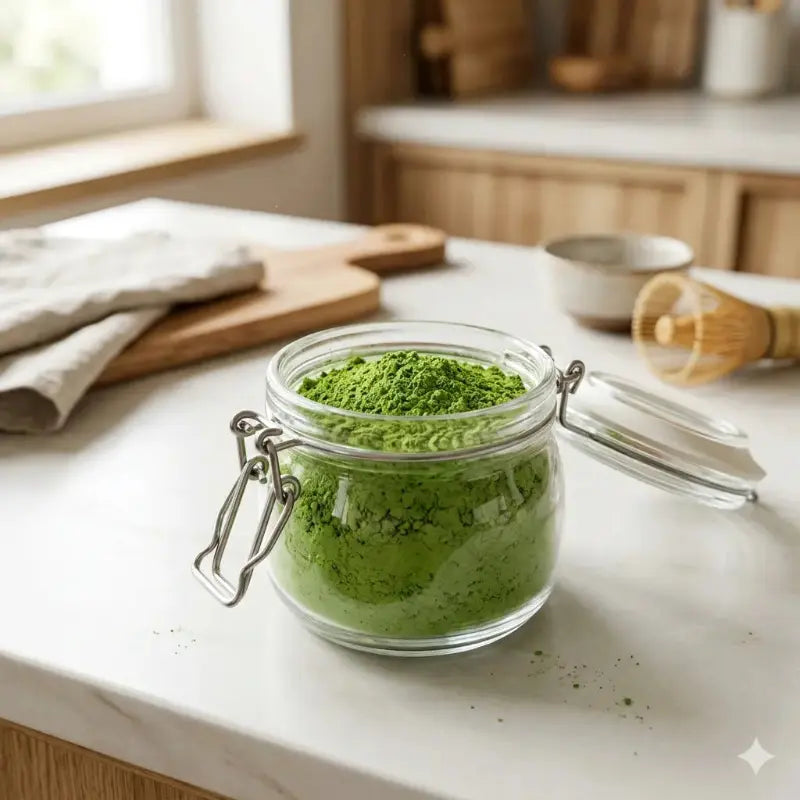
Matcha is often associated with fat burning and metabolism support — but does matcha actually help with weight loss?
The short answer: matcha is not a magic fat-burning drink, but it may support weight management when combined with healthy habits.
Because matcha contains caffeine, catechins, and L-theanine, it may help support:
-
Energy expenditure
-
Exercise performance
-
Appetite control
-
More stable energy and cravings
For many people, replacing sugary coffee drinks or energy drinks with matcha becomes one of the easiest long-term habit changes for weight management.
Using smoother ceremonial-grade matcha often makes it easier to maintain the habit long term because high-quality matcha usually tastes less bitter and requires less added sugar.
In this guide, you’ll learn:
-
How matcha supports weight loss
-
What science says about matcha and metabolism
-
Matcha vs coffee for weight loss
-
How much matcha per day for weight loss
-
The best time to drink matcha
If you want a deeper breakdown of matcha’s caffeine effects, antioxidants, and energy profile, read our complete guide on the benefits of matcha.
How Matcha Supports Weight Loss
1. Matcha and Metabolism
Matcha contains catechins — especially EGCG — which are linked to thermogenesis, the process by which the body burns calories to produce heat.
This metabolic effect is generally moderate, not dramatic, but regular matcha intake may help support overall energy expenditure over time.
2. Supports Fat Oxidation
Some research suggests green tea compounds may help the body use stored fat as energy, especially during exercise.
Drinking matcha before workouts may help support:
-
Endurance
-
Workout focus
-
Fat utilization during activity
3. Reduces Energy Crashes and Cravings
Unlike coffee, matcha combines caffeine with L-theanine.
Many people also switch to matcha because the calmer energy profile feels easier to sustain during long workdays and calorie-controlled routines.
This combination may help:
-
Reduce sudden energy crashes
-
Support steadier focus
-
Lower cravings linked to fatigue
-
Improve eating consistency throughout the day
Many people switch from multiple sweet coffees to matcha because they feel fewer afternoon crashes and less need for sugary snacks.
4. Supports Appetite Control
Stable energy may indirectly help appetite regulation and portion control.
While matcha does not “block hunger,” some users find it easier to avoid impulsive snacking when energy levels remain steady.
5. Improves Workout Performance
Matcha’s caffeine content may help improve:
-
Alertness
-
Training consistency
-
Physical endurance
Better workouts can contribute to higher calorie expenditure over time.
What Science Says About Matcha and Weight Loss
Research on green tea and matcha suggests potential benefits for metabolism and fat oxidation, but results are usually modest.
What Studies Suggest
Some human studies indicate green tea compounds may:
-
Slightly increase thermogenesis
-
Support fat oxidation during exercise
-
Modestly increase daily energy expenditure
Important Reality Check
The effects are generally small on their own.
Matcha does not:
-
Melt fat automatically
-
Replace calorie balance
-
Causes rapid weight loss without lifestyle changes
The strongest benefits usually come from using matcha to support healthier routines:
-
Replacing sugary drinks
-
Improving workout consistency
-
Supporting focus and appetite control
Matcha vs Coffee for Weight Loss
Both matcha and coffee contain caffeine, but they affect energy differently.
Our full guide on matcha vs coffee explains the differences in caffeine absorption, focus, digestion, and energy crashes in more detail.
| Matcha | Coffee |
|---|---|
| Gradual energy release | Faster stimulation |
| Lower chance of a crash | More common crash |
| Contains L-theanine | No L-theanine |
| Often smoother appetite control | Can increase anxiety/cravings for some |
| Popular for long focus sessions | Popular for immediate stimulation |
Matcha Caffeine vs Coffee
A serving of matcha usually contains:
-
30–70 mg caffeine
Coffee often contains:
-
80–120+ mg caffeine
Even with less caffeine, matcha may feel more stable because L-theanine slows caffeine absorption.
Which Is Better for Weight Loss?
Neither drink directly causes fat loss.
However, some people find matcha easier to sustain long-term because it:
-
Causes fewer jitters
-
Reduces energy crashes
-
Helps reduce dependence on sugary coffee drinks
Best Time to Drink Matcha for Weight Loss
Morning
Morning matcha may help:
-
Replace sugary breakfast drinks
-
Improve focus
-
Support appetite stability early in the day
Before Workouts
Some people also prefer lighter matcha lattes before workouts because they provide caffeine with fewer calories than many commercial coffee drinks or energy beverages.
Drinking matcha 30–60 minutes before exercise may support:
-
Energy
-
Endurance
-
Workout consistency
Early Afternoon
Some people use matcha instead of a second coffee to avoid late-day crashes.
Late-Day Caution
Because matcha still contains caffeine, drinking it late in the evening may affect sleep in sensitive individuals.
How Much Matcha Per Day for Weight Loss
For most healthy adults:
-
1–2 servings daily is generally moderate
-
Up to 2–3 servings may be tolerated by some individuals
The ideal amount depends on:
-
Caffeine sensitivity
-
Overall caffeine intake
-
Sleep quality
-
Personal tolerance
Starting with smaller amounts is usually best for beginners.
Weight Loss Realism & Lifestyle Tips
Matcha works best as a supportive habit — not a shortcut.
Matcha Helps Most When It Replaces:
-
Sugary coffee drinks
-
Energy drinks
-
Sweet snacks during crashes
Sustainable Weight Loss Still Depends On:
-
Calorie balance
-
Protein intake
-
Sleep quality
-
Physical activity
-
Consistency over time
The biggest long-term advantage of matcha may be behavioral:
Better energy stability can make healthy routines easier to maintain.
Best Matcha Drinks for Weight Loss
Classic Matcha Tea
-
1–2 grams matcha
-
60–80 ml warm water
-
No sugar
Low-calorie and simple.
Iced Matcha
-
Matcha
-
Cold water
-
Ice
-
Optional lemon
Refreshing and hydrating with minimal calories.
Light Matcha Latte
-
Matcha
-
Unsweetened oat or almond milk
-
No syrup
A healthier alternative to many high-calorie café drinks.
If you want café-style recipes with lower sugar and smoother texture, read our guide on how to make a matcha latte at home.
Which Matcha Should You Choose?
Ceremonial Grade
Best for daily drinking because the flavor is smoother and less bitter.
Smooth ceremonial blends, such as Jade Cloud Ceremonial Matcha or Imperial Cloud Ceremonial Matcha, are often easier to enjoy daily because they naturally have less bitterness.
High-Quality Matcha
Usually has:
-
Bright green color
-
Fresh grassy aroma
-
Fine texture
-
Less bitterness
Better flavor often makes healthy habits easier to sustain consistently.
Our guide on how to choose high-quality matcha tea explains how color, aroma, texture, and freshness influence flavor and overall experience.
Safety and Daily Use Notes
Matcha is generally safe for most healthy adults when consumed moderately.
Consider Limiting Intake If You:
-
Are highly caffeine-sensitive
-
Have sleep issues
-
Are pregnant
-
Take medications affected by caffeine
If unsure, consult a healthcare professional regarding caffeine intake.
Frequently Asked Questions
Does matcha help with weight loss?
Matcha may support metabolism, energy balance, and appetite control, but it works best alongside healthy habits.
How much matcha per day for weight loss?
Most people use 1–2 servings daily. Some tolerate up to 2–3 servings.
What is the best time to drink matcha for weight loss?
Morning or before workouts are the most common choices.
Matcha vs coffee for weight loss: which is better?
Some people prefer matcha because it provides steadier energy and fewer crashes.
Does matcha burn belly fat?
No drink specifically targets belly fat. Matcha may support overall fat loss as part of a calorie-controlled lifestyle.
Can matcha replace coffee?
Yes. Many people switch to matcha for smoother energy and reduced caffeine crashes.
Is matcha better than sugary coffee drinks for weight management?
For many people, yes. Unsweetened or lightly sweetened matcha drinks often contain fewer calories and may help reduce energy crashes and cravings compared to high-sugar coffee beverages.
Conclusion
Does matcha help with weight loss? Potentially — but mostly by supporting better habits and more stable energy.
The biggest benefits of matcha for weight loss come from:
-
Supporting metabolism modestly
-
Improving workout consistency
-
Reducing energy crashes and cravings
-
Replacing high-calorie drinks
When combined with healthy nutrition, movement, and consistency, matcha can become a useful long-term tool for sustainable weight management.
Choosing high-quality matcha and preparing it with minimal added sugar usually creates the best long-term results.
Share: