
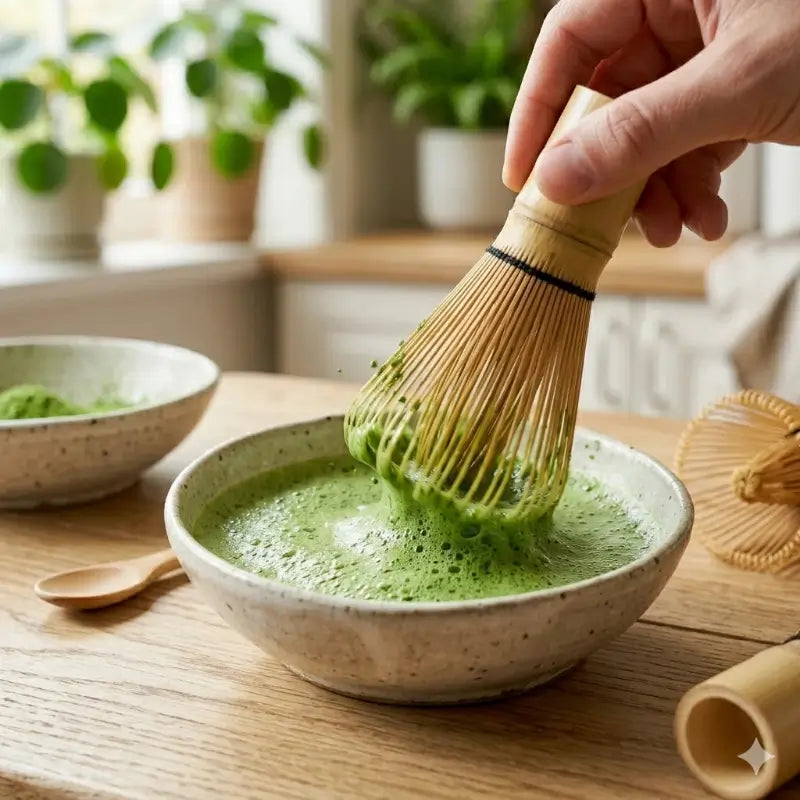
Matcha is more than just green tea. This vibrant Japanese green tea powder has become one of the world’s most popular wellness drinks thanks to its unique preparation method, concentrated nutrients, and smooth energy boost.
Many beginners start with ceremonial-grade Japanese matcha because the smoother flavor and better texture make the experience much easier to enjoy daily.
Unlike regular tea, matcha allows you to consume the entire tea leaf in powdered form. This gives matcha a richer flavor, higher antioxidant content, and a more sustained caffeine effect.
In this guide, you’ll learn:
-
What matcha tea is
-
Matcha tea benefits and science
-
Matcha vs green tea differences
-
How to prepare matcha at home
-
How to choose high-quality matcha powder
-
Easy ways to enjoy matcha daily
What Is Matcha Tea?
Matcha is a finely ground powder made from specially shade-grown green tea leaves.
Before harvest, tea plants are shaded for several weeks to increase chlorophyll and amino acid production. This process gives matcha:
-
Its bright green color
-
Smooth umami taste
-
Higher L-theanine content
-
Rich antioxidant profile
High-quality ceremonial blends such as Imperial Cloud Ceremonial Matcha are specifically designed to highlight these smoother, umami-rich characteristics.
Traditional Japanese matcha has been used for centuries in tea ceremonies, but today it is also enjoyed in lattes, smoothies, desserts, and wellness drinks worldwide.
Because the entire leaf is consumed, matcha delivers more concentrated nutrients than standard brewed green tea.
Matcha vs Green Tea
Many beginners wonder about the difference between matcha and regular green tea.
If you want a deeper comparison of caffeine, focus, digestion, and energy effects, read our full guide on matcha vs coffee.
Matcha Tea
-
Made from powdered whole tea leaves
-
Higher caffeine concentration
-
More antioxidants per serving
-
Richer, creamier texture
-
Stronger umami flavor
-
Provides slower, smoother energy
Regular Green Tea
-
Leaves are steeped and discarded
-
Lower caffeine
-
Lighter flavor and texture
-
Lower nutrient concentration
-
Faster and milder caffeine effect
Because matcha contains both caffeine and L-theanine, many people describe the energy as calmer and more focused compared to coffee or standard green tea.
Matcha Tea Benefits
If you want a deeper breakdown of the science, caffeine effects, antioxidants, and long-term wellness benefits, read our complete guide on matcha benefits.
Antioxidant Support
Matcha contains catechins, especially EGCG, which help protect cells from oxidative stress.
Calm Energy and Focus
The combination of caffeine and L-theanine may help support:
-
Mental clarity
-
Sustained focus
-
Reduced energy crashes
This smoother energy profile is one reason many people use matcha as a gentler alternative to multiple daily coffees.
Metabolic and Exercise Support
Some studies suggest green tea compounds may support metabolism and fat oxidation when combined with exercise and a balanced diet.
Daily Wellness Ritual
Many people enjoy matcha not only for nutrition, but also because the preparation ritual encourages mindfulness and slower daily habits.
Matcha Science and Safety
Research on green tea and matcha suggests potential benefits, but matcha is not a miracle cure or replacement for medical treatment.
What Science Supports Best
Current evidence is strongest for:
-
Antioxidant activity
-
Mild cognitive and focus benefits
-
Moderate caffeine stimulation
-
Relaxation effects from L-theanine
Possible Side Effects
Too much matcha may cause:
-
Jitters
-
Upset stomach
-
Sleep disruption
-
Headaches in caffeine-sensitive individuals
Safe Daily Intake
For most healthy adults, 1–2 servings daily is generally considered moderate.
People sensitive to caffeine, pregnant individuals, or those with certain medical conditions should consult a healthcare professional if unsure.
How to Choose Matcha Powder
If you want better flavor and smoother texture, matcha quality matters significantly.
Our detailed guide on how to choose high-quality matcha tea explains how color, aroma, texture, freshness, and origin affect flavor and overall quality.
Good Matcha Powder Should Have:
Bright Green Color
High-quality matcha is vibrant green, not dull yellow or brown.
Fresh, Grassy Aroma
Good matcha smells fresh, slightly sweet, and vegetal.
Fine, Soft Texture
Premium matcha feels silky and smooth, not gritty.
Japanese Origin
Many high-quality ceremonial matcha powders come from regions like Uji, Nishio, or Kagoshima in Japan.
Realistic Pricing
Very cheap matcha is often lower quality or older stock. Premium ceremonial matcha usually costs more because of labor-intensive production.
How to Prepare Matcha at Home
Learning how to prepare matcha properly improves both flavor and texture.
If you want a more detailed step-by-step guide covering whisking technique, water temperature, and foam quality, read our full tutorial on how to make the perfect matcha at home.
Basic Matcha Preparation
Ingredients
-
1–2 grams matcha powder
-
70 ml warm water (70–80°C)
Step-by-Step
1. Sift the Matcha
Sift matcha into a bowl to remove clumps.
2. Add Warm Water
Use water below boiling temperature to avoid bitterness.
3. Whisk Quickly
Whisk in a zigzag or “W” motion until smooth and lightly frothy.
4. Drink Immediately
Freshly prepared matcha tastes best right after whisking.
Many beginners simplify the preparation process with a complete starter setup like the Complete Matcha Preparation Set, which includes traditional tools for whisking and serving matcha properly.
How to Prepare Matcha Without a Whisk
You can still make smooth matcha without traditional tools.
Option 1: Shake in a Jar
Add matcha and water to a sealed jar and shake vigorously.
Option 2: Use a Milk Frother
An electric frother creates quick foam and smooth texture.
Option 3: Blender Method
Blend matcha with water or milk for an easy modern version.
These methods work especially well for matcha lattes and iced matcha drinks.
For creamier café-style drinks, many people also prepare iced and hot matcha lattes using these quicker preparation methods.
How to Enjoy Matcha
Matcha is versatile and easy to include in daily routines.
Traditional Matcha Tea
Pure matcha with water for a clean and authentic experience.
Matcha Latte
Combine matcha with oat, almond, or dairy milk for a creamy café-style drink.
Our guide on how to make a matcha latte at home explains café-style latte preparation, milk options, and frothing techniques in more detail.
Smoothies and Breakfast Bowls
Add matcha to smoothies, yogurt bowls, oatmeal, or chia pudding for extra flavor and antioxidants.
Common Matcha Mistakes
Using Boiling Water
Hot water above 80°C often creates bitterness.
Buying Low-Quality Matcha
Poor-quality matcha tastes dull, bitter, and muddy.
Not Sifting the Powder
Skipping sifting usually creates clumps.
Adding Too Much Sweetener
Too much sugar can overpower matcha’s natural flavor.
FAQs
Is matcha safe to drink every day?
For most healthy adults, moderate daily matcha consumption is generally considered safe.
How much caffeine is in matcha?
Matcha usually contains more caffeine than regular green tea but less than many coffees.
Matcha vs coffee: which gives better energy?
Many people find that matcha provides smoother and longer-lasting energy with fewer jitters.
Can you drink matcha on an empty stomach?
Some people tolerate it well, while others may experience mild stomach discomfort because of caffeine and tannins.
What is the best matcha for beginners?
Ceremonial-grade Japanese matcha is usually smoother, sweeter, and easier for beginners to enjoy.
Why does my matcha taste bitter?
Water that is too hot or low-quality matcha powder are the most common causes.
Can I make matcha without a bamboo whisk?
Yes. A jar, blender, or milk frother can work well for home preparation.
What matcha tools do beginners need?
Most beginners only need matcha powder, warm water, and a whisk or frother. Traditional tools like bowls and bamboo scoops can improve texture and consistency but are not strictly required.
Conclusion
Understanding all about matcha tea means learning more than just its flavor or caffeine content.
From its traditional Japanese origins to its modern wellness popularity, matcha uniquely combines ritual, nutrition, and versatility.
Whether you want better focus, a coffee alternative, or a calming daily habit, learning how to choose quality matcha and prepare it properly can dramatically improve your experience.
Starting with high-quality matcha and proper preparation methods usually makes the biggest difference for beginners.
Share:
How to Make the Perfect Matcha at Home
How to Choose High-Quality Matcha Tea